
The public discourse on sustainability has undergone profound changes over the past year. What was once seen as a collective societal awakening is now increasingly characterised by uncertainty and political setbacks. Jan Grumiller, Programme Director of the Master’s degree in Umwelt- und Nachhaltigkeitsmanagement at IMC Krems, analyses recent developments and explains why well-trained sustainability managers are in greater demand than ever.
News
The Future of Sustainability Management
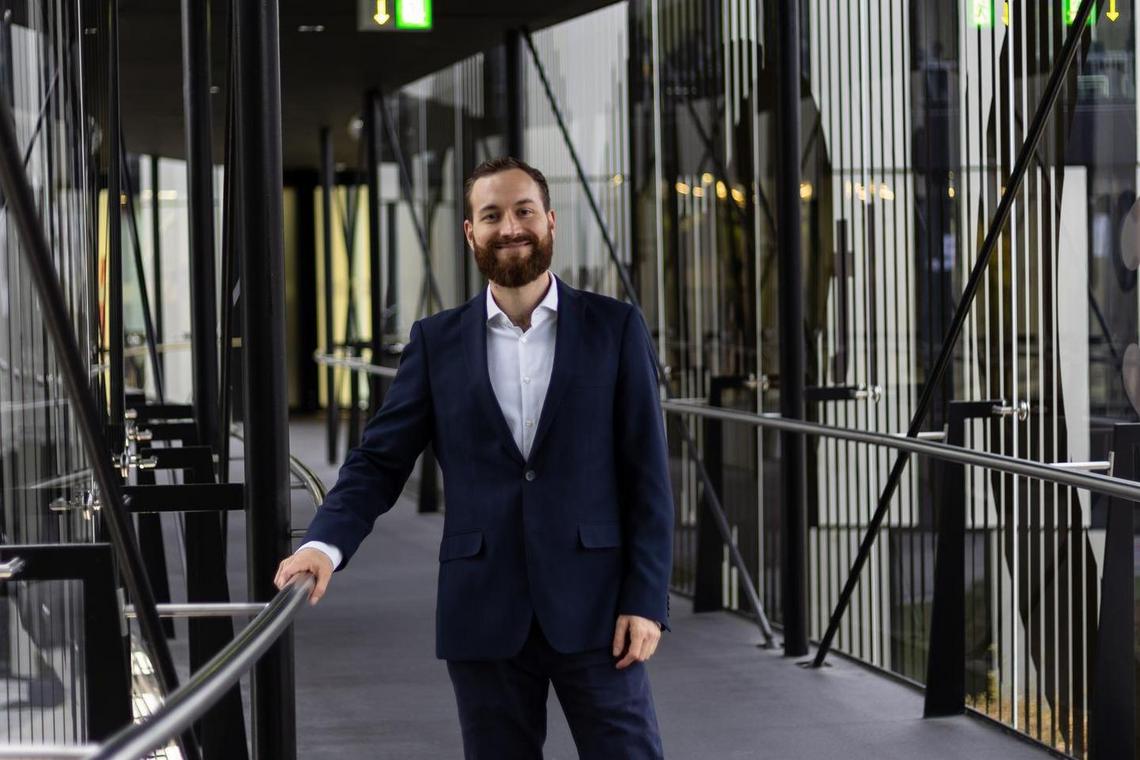
“Sustainability is a contested concept,” says Grumiller. “What it means is the result of ongoing social negotiations.” In public debate, sustainability is increasingly being framed as conflicting with competitiveness – a dangerous fallacy, he stresses: “The media sometimes give the impression that if we focus too much on sustainability, we will all end up with less. Nothing could be further from the truth: the aim is a good life for everyone – within planetary boundaries. That is a goal we should and must all unite behind.”
In recent years, the profession of sustainability managers has gained enormous significance. New regulations, particularly within the framework of the EU Green Deal, have deeply embedded sustainability into the strategic decision-making processes of businesses and organisations. While some of this progress is currently being called into question by political initiatives – such as the Omnibus Initiative – the need for action remains high.
Complex challenges require sound education
IMC Krems is responding to these developments with a practice-oriented and interdisciplinary educational offering. In both the Master’s in Umwelt- und Nachhaltigkeitsmanagement and the Bachelor’s in Sustainability Management, future decision-makers are specifically prepared for the diverse and growing demands of sustainability management.
“We are observing that the field is evolving at a rapid pace – becoming more complex, more interconnected, but also more relevant,” explains Grumiller. “Our graduates today work in a wide range of sectors: from industry to consulting, NGOs and public administration. Career opportunities have never been more diverse.”
Civil society as the key to transformation
Despite the current political challenges, Grumiller remains optimistic: “The material impacts of the climate crisis are undeniable. In the long run, public support for environmental and climate protection will continue to grow.” He emphasises that an active civil society is just as crucial as well-trained professionals in ensuring that transformation is both inclusive and future-oriented.
With its innovative degree programmes, IMC Krems positions itself as a key training institution for the sustainability experts of tomorrow. Those who choose to study in this field today are actively shaping the future – scientifically grounded and practice-driven.