
Raffael, a student on the bachelor degree programme in StartUp Management at IMC Krems, shares his experience of participating in the Blended Intensive Programme (BIP) “Multicultural Communication Skills in Voluntary Work” – an innovative learning format that combines international collaboration with hands-on experience.
Story
Studying, connecting, growing: Learning across borders
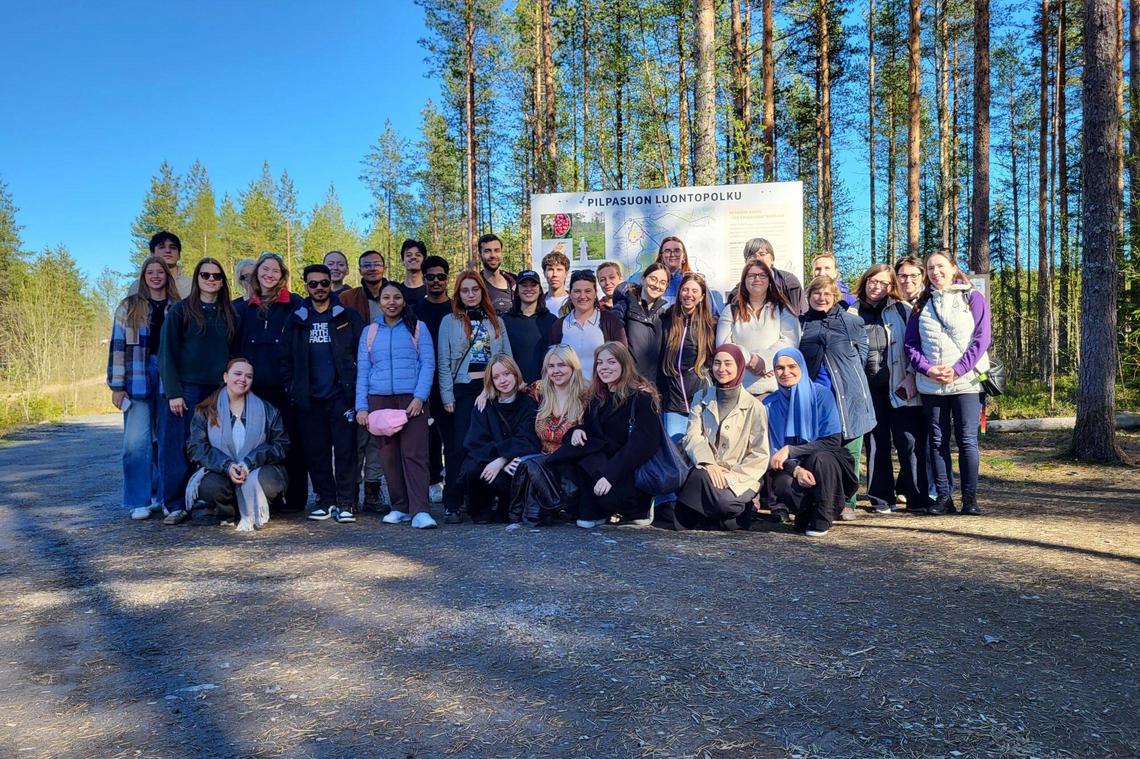
In addition to Raffael, other IMC students from the bachelor programmes in Business Administration, Unternehmensführung und Digitales Management, as well as the master programme in Management von Gesundheitsunternehmen, also took part. But what exactly is a BIP – and why is it worth participating?
What are Blended Intensive Programmes (BIPs)?
BIPs are short-term programmes offered by higher education institutions across Europe. They combine digital learning phases with an intensive on-site week. This enables students to gain international experience even if they are unable to spend a longer period abroad.
The aim is to bring together students and lecturers from different universities to collaborate on projects, gain international insights and develop new perspectives. The programmes are interdisciplinary by design and promote exchange across academic fields and cultures.
First impressions: International learning from day one
From the very beginning, Raffael felt the unique energy of the programme: people from across Europe, new languages and diverse perspectives – and himself right in the middle of it. For him, the BIP was more than just a learning experience – it was an opportunity to step out of his comfort zone, build friendships and collaborate on exciting projects.
The first online sessions already captured this international spirit. In particular, the Pecha-Kucha presentations stood out: short, concise introductions that quickly revealed shared interests and made it easy for participants to connect.
Interactive online formats and new perspectives
During the following sessions, students worked intensively in so-called Learning Cafés. They explored cultural dimensions based on the models developed by Hofstede and Trompenaars.
Another highlight were the cultural presentations. Raffael introduced Viennese ball culture and the waltz, incorporating personal experiences. At the same time, he gained valuable insights into other cultures – and was especially impressed by an interactive presentation on Italian gestures, which demonstrated how much communication happens non-verbally.
Personal learning: Intercultural communication in practice
Beyond the classes, Raffael also engaged with academic perspectives, particularly on building trust in international contexts. He was able to apply these insights directly to his own project, where he works with international students. He realised how important it is to consciously adapt communication styles and respond to different cultural expectations.
On-site phase in Finland: Arriving in Oulu
The intensive week in Oulu, Finland, brought everything together. In addition to meeting his fellow participants in person, Raffael experienced Finnish culture first-hand. What impressed him most were the long days with almost continuous daylight and the strong connection to nature.
Volunteering with local impact
A key element of the on-site phase was voluntary work. Raffael contributed, among others, at Hyvän Mielen Talo, where he participated in activities at a mental health organisation. He also took part in the “Kesän sauna” project – a floating sauna run by volunteers – which offered a unique insight into everyday Finnish life.
Exchange with local communities
Engaging with local students, NGO representatives and volunteers was particularly valuable for Raffael. These interactions provided authentic insights into daily life and social structures in Finland. At the end of the week, the students presented their projects on the island of Hailuoto – a moment to reflect on their shared experience and bring the programme to a close.
Time to explore
An integral part of the programme was an excursion to the Pilpasuo nature area. Spending time outdoors not only offered variety but also created space for informal exchange within the group. Beyond the official programme, Raffael also explored Finland independently. Together with other participants, he visited the remote island of Varjakka. The combination of nature, history and shared discovery made this excursion particularly memorable.
Much more than “just” studying
Raffael’s highlight throughout the week? The many encounters – whether in seminars, during voluntary work or in shared activities. Above all, it was the conversations and cultural exchange that made the experience so special.
For Raffael, the BIP was an intensive period full of new impressions that helped him grow both academically and personally – and demonstrated the true value of international learning experiences.


