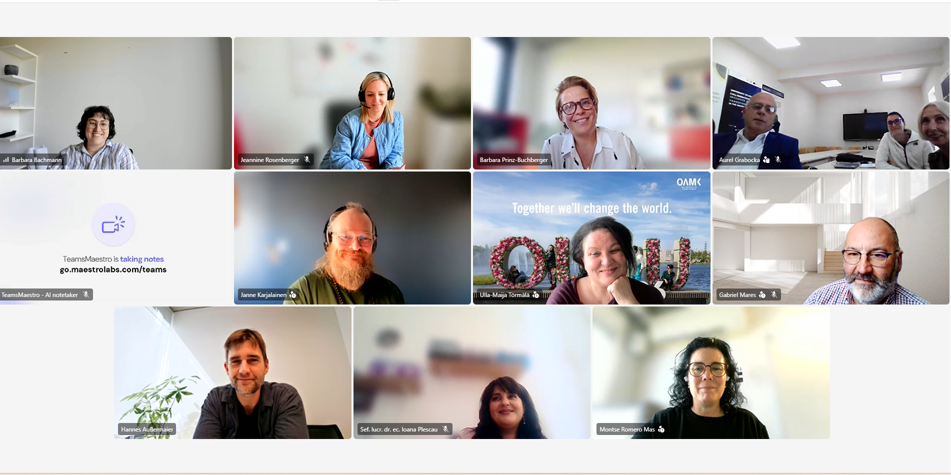
To mark World Occupational Therapy Day on 27 October, which in 2026 is celebrated under the theme ‘Participation Matters’, attention is also being drawn to the wider social significance of occupational therapy. How can occupational therapists turn good ideas into sustainable solutions to societal challenges? This is precisely where the new Erasmus+ project SO-OT – Social Entrepreneurship in Occupational Therapy Education comes in. Led by IMC Krems, higher education institutions from Albania, Austria, Finland, Romania and Spain are developing a joint teaching module designed to strengthen the role of social entrepreneurship in occupational therapy education. The three-year project began in October 2026.
News
Social Innovation in Occupational Therapy: European Erasmus+ Project SO-OT Launches at IMC Krems
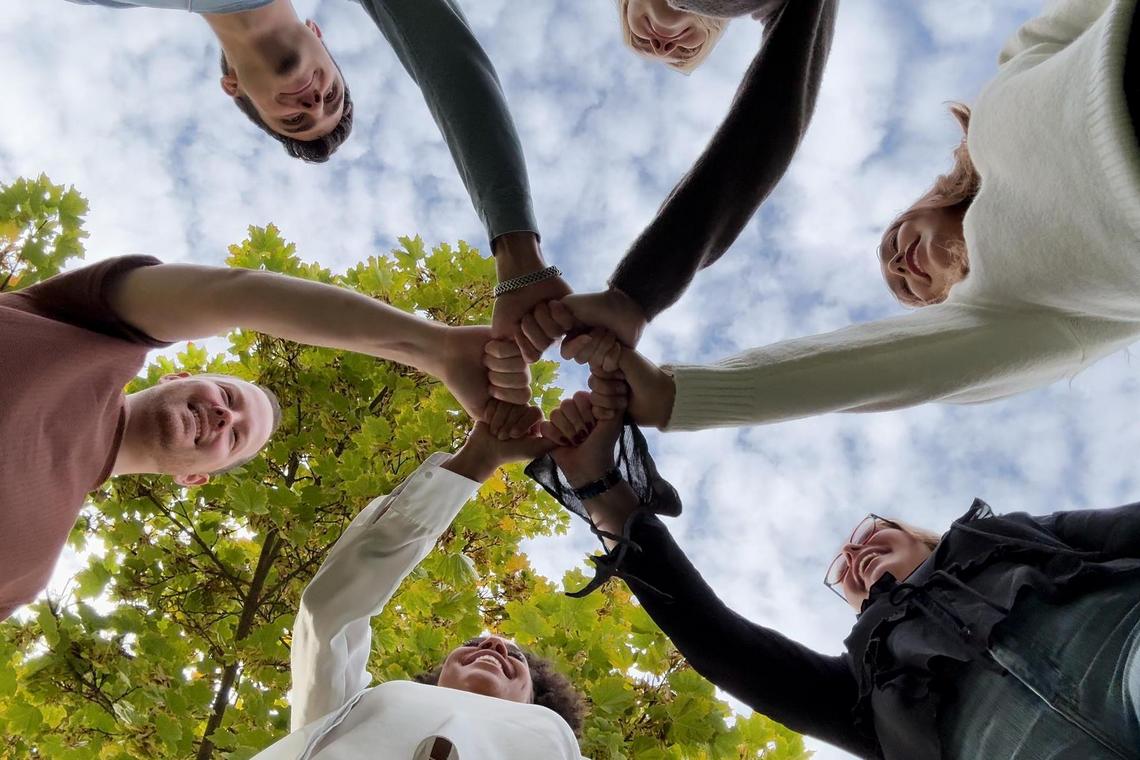
From Occupational Therapy to Social Innovation
Occupational therapists help people manage their everyday lives independently and enable them to participate in society. In doing so, they often develop innovative, community-based approaches that address specific societal challenges. However, what is frequently lacking are the structured skills needed to turn these ideas into sustainable, viable long-term solutions.
This is where SO-OT comes in. ‘Occupational therapists already possess many of the skills that are essential for social innovation: they take a solution-oriented approach, work with individuals and communities to develop suitable services, and focus on specific needs. Through SO-OT, we aim to complement these skills with entrepreneurial thinking and knowledge of sustainable implementation and funding,’ explains Barbara Prinz-Buchberger, Project Lead, Head of the Occupational Therapy degree programme and Head of the Institute of Therapy and Midwifery Sciences at IMC Krems.
A Joint Teaching Module for Europe
The project centres on developing a teaching module tailored to the occupational therapy profession, focusing on social entrepreneurship. As a first step, the partners will assess needs, competencies and best-practice examples in occupational therapy and social entrepreneurship across the participating countries. Educators will then be prepared to deliver the content through a teach-the-teacher programme.
The module will be piloted with students, evaluated and further refined. Once the project has been completed, it will be made available as a freely accessible resource for other European higher education institutions. In the longer term, the approach could also be adapted for other health and social care professions.
‘Our aim is to develop a practical, scientifically sound model that can continue to be used beyond the lifetime of the project. In this way, we want to help future occupational therapists develop sustainable solutions to societal challenges,’ says Prinz-Buchberger.
Expertise from Krems for a European Project
At IMC Krems, a five-member team is contributing its expertise to the international project: Barbara Prinz-Buchberger, Barbara Bachmann, Hannes Außermaier, Christine Spevak und Tanja Ihden.
The Erasmus+ project SO-OT runs from October 2026 to August 2029. Together with its international partner universities, IMC Krems is working to embed social entrepreneurship sustainably in occupational therapy education, opening up new perspectives on social innovation, participation and responses to societal challenges.
Das Erasmus+-Projekt SO-OT läuft von Oktober 2026 bis August 2029. Gemeinsam mit den internationalen Partnerhochschulen arbeitet das IMC Krems daran, Social Entrepreneurship nachhaltig in der Ergotherapie-Ausbildung zu verankern und damit neue Perspektiven für soziale Innovation, Teilhabe und gesellschaftliche Herausforderungen zu eröffnen.
Occupational Therapy bachelor programme