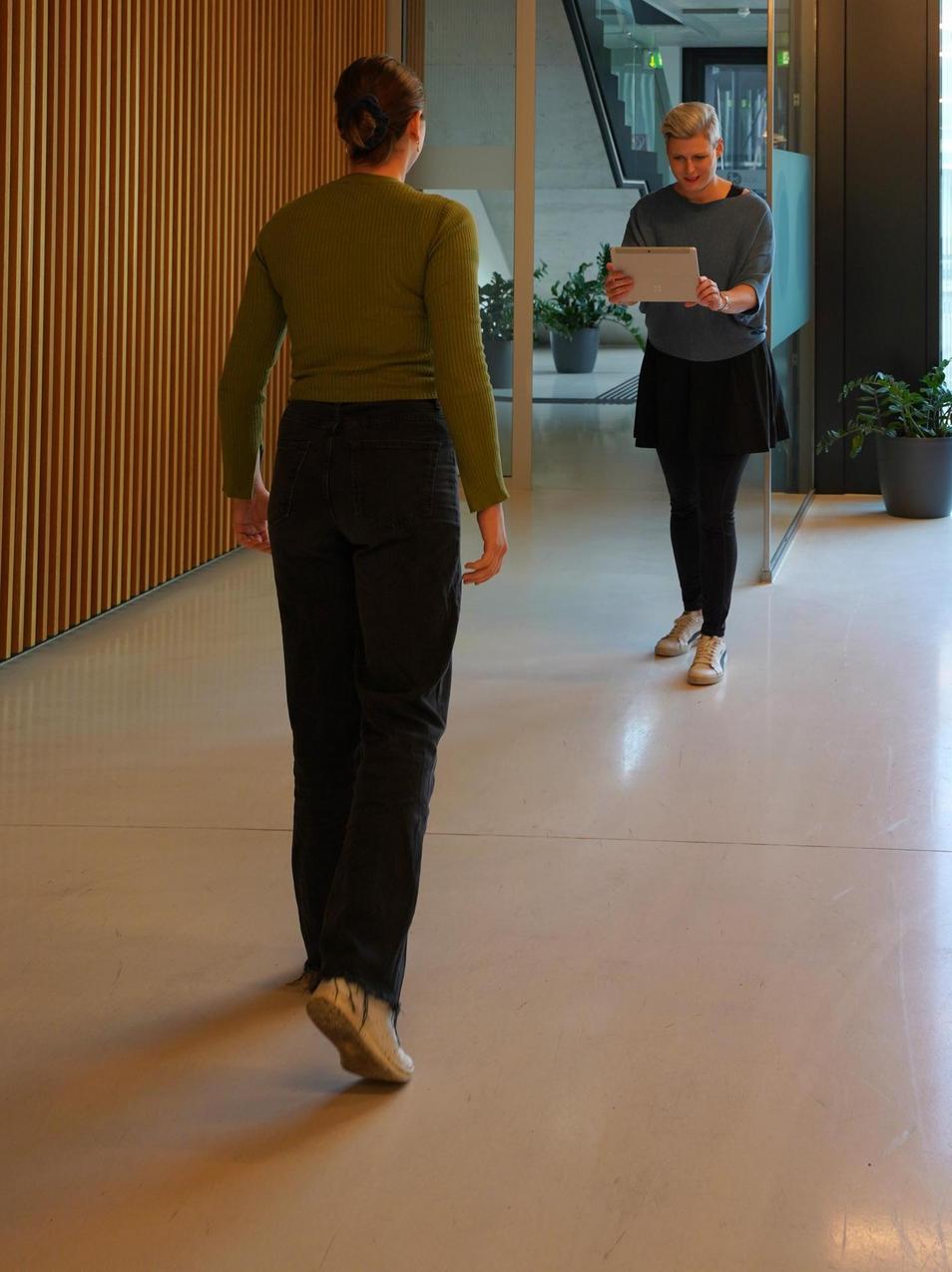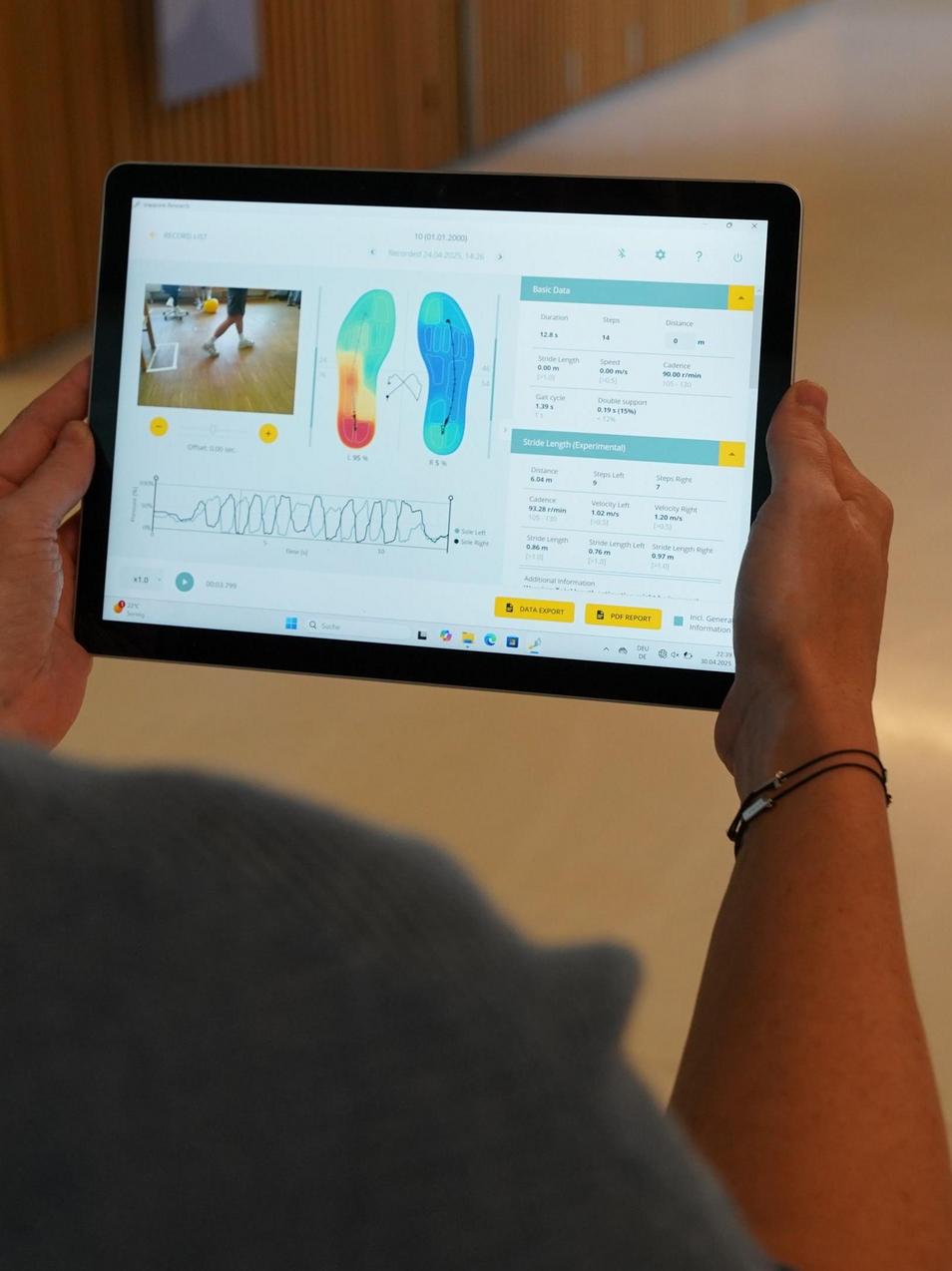
With its new research project PreFOG, IMC Krems is breaking new scientific ground. Under the leadership of Assoc. Prof. (FH) Agnes Wilhelm, MSc, Professor at the Institute of Therapy and Midwifery Sciences, an interprofessional team is investigating how so-called Freezing of Gait (FoG)—a sudden movement block while walking—can be predicted in people with idiopathic Parkinson’s syndrome (IPS). The aim is to significantly reduce the risk of falls by using state-of-the-art machine learning algorithms and innovative smart insoles. The project is funded by the Province of Lower Austria (WST3 call of the Lower Austrian Business and Tourism Fund) and co-financed by the European Union (ERDF).
Press
Research into Fall Prevention for People with Parkinson’s
When walking suddenly comes to a halt
Around 40 per cent of people with IPS experience FoG during the course of the disease. After more than ten years, this figure rises to over 70 per cent. FoG is one of the main causes of falls, which can result in serious injuries and loss of independence. Up to 61 per cent of falls among people with Parkinson’s are directly attributable to such episodes.
The innovative approach
Previous studies often used several measuring devices attached to different parts of the body. In contrast, the PreFOG project relies exclusively on data collected through smart insoles equipped with pressure sensors and inertial measurement units (IMUs). For this purpose, the project will use the StAPPone smart insoles developed by StAPPtronics GmbH. Based on these data, the researchers are developing predictive models capable of detecting FoG at an early stage.
“Our goal is to predict FoG before it actually occurs—gaining valuable time to prevent falls,” explains project leader Agnes Wilhelm. “This could make a decisive difference to the quality of life and safety of people affected by Parkinson’s.”
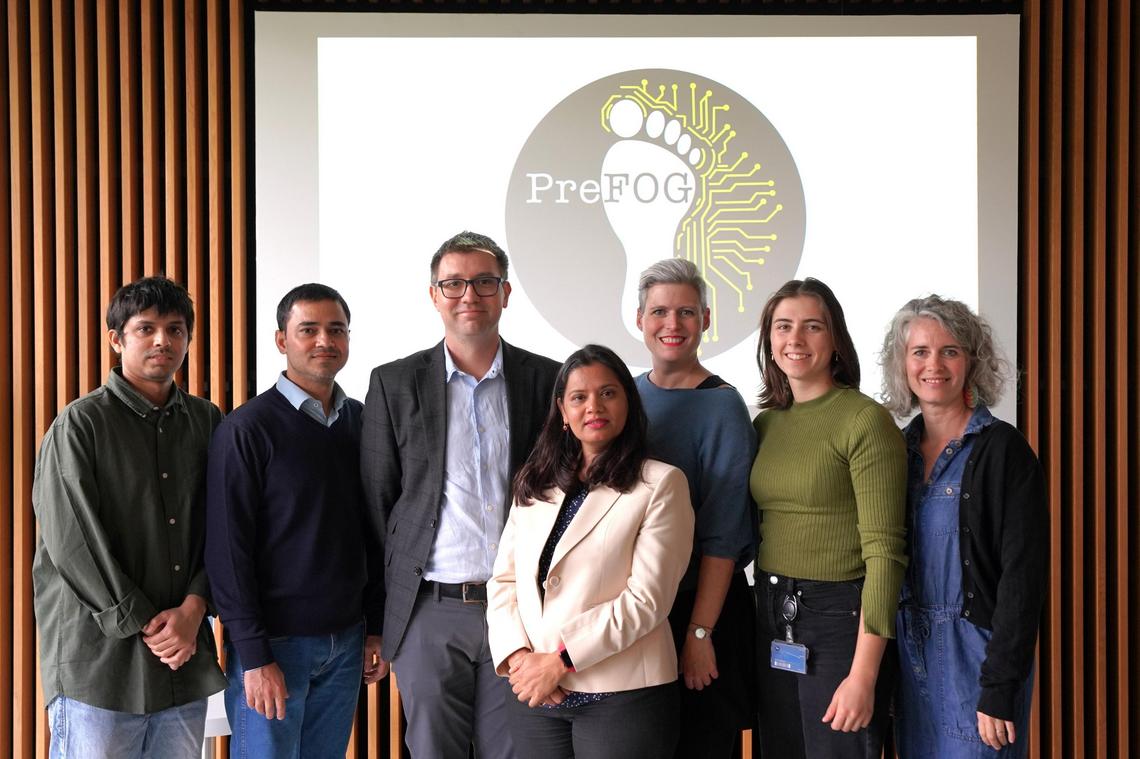
This project is a joint initiative of the degree programmes in Physiotherapy, Informatics, and Engineering Responsible AI Systems at IMC Krems University of Applied Sciences. The project team includes: from Physiotherapy – Agnes Wilhelm, Tanja Miksch, and Anna Dopona; from Informatics – Sarita Paudel, Himanshu Buckchash, and Charles Anthony; and from Engineering Responsible AI Systems – Ruben Ruiz Torrubiano.
Sustainable and digital
PreFOG brings together expertise in motor rehabilitation, data science, and machine learning. In addition to contributing to public scientific communication, the project opens up new perspectives for technology transfer.