
Our alumnus of the diploma degree programme in Medical and Pharmaceutical Biotechnology, Andreas Bracher, has been appointed Medical Director at Takeda Austria.
Story
From IMC Krems to a Leadership Role at Takeda Austria
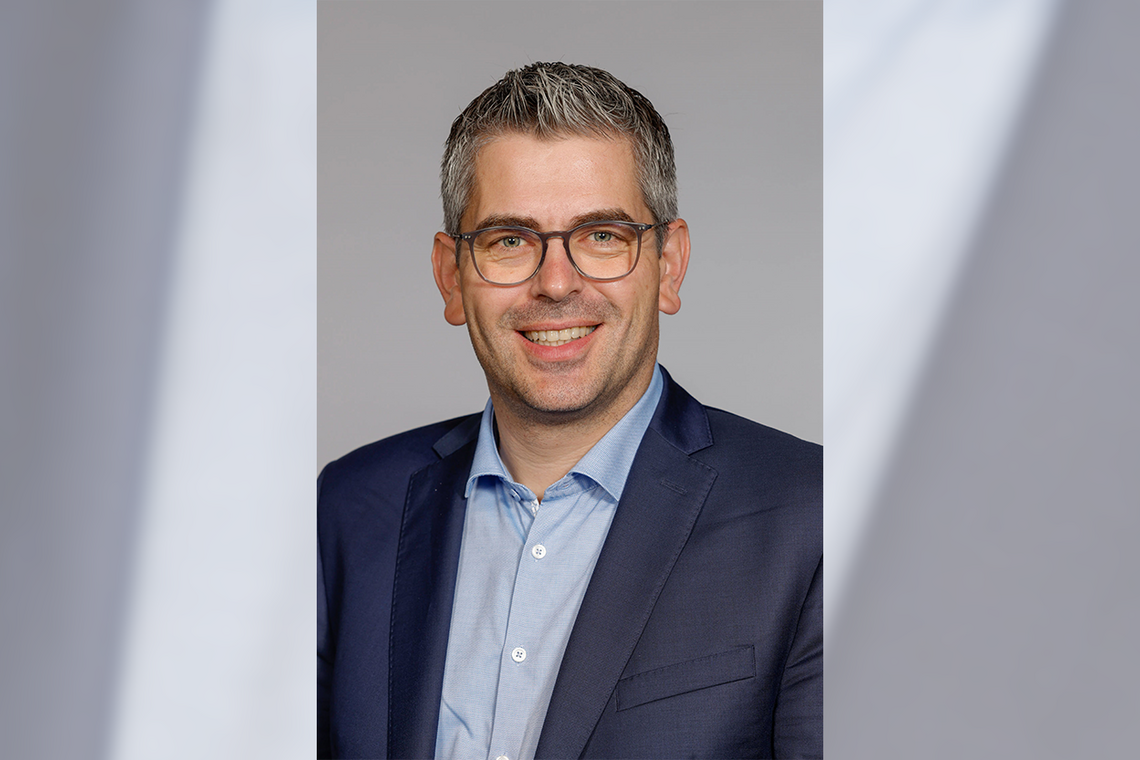
From completing his Medical and Pharmaceutical Biotechnology diploma at IMC Krems to leading the Medical department at Takeda Austria – Dr Bracher’s journey is a remarkable career path in the biopharmaceutical industry at the very highest level.
As of July 2025, Andreas Bracher has taken on the position of Medical Director at Takeda Austria’s commercial organisation. In this role, he is responsible for the strategic direction of the Medical function at one of Austria’s largest biopharmaceutical companies.
Since his time at IMC Krems, Bracher has gained more than 15 years of experience in research and the pharmaceutical industry, with career stops at the Medical University of Vienna, Novartis, MSD and most recently as Medical Director at Biogen Germany, where he also oversaw the Austria–Switzerland cluster. At Takeda, his responsibilities cover gastroenterology, oncology, neuroscience, rare diseases and the pipeline – all areas with significant unmet medical need.
A strong foundation at IMC Krems
Bracher completed his diploma degree in Medical and Pharmaceutical Biotechnology in 2008 before earning his PhD in Vascular Biology at the Medical University of Vienna. This scientific and technical foundation proved to be the solid basis for his career development at the interface between research and industry.
How did your studies at IMC Krems shape your perspective on the connection between biotechnology and medical applications?
The biotechnology degree at IMC Krems gave me a profound understanding of molecular mechanisms and platform technologies such as monoclonal antibodies, recombinant proteins and mRNA-based approaches. This knowledge is essential for my role as Medical Director, where I bridge the gap between preclinical research, clinical development and the medical application of approved therapies.
Especially in indications with high unmet medical need, this understanding enables me to design evidence-based strategies for implementing innovative therapies in daily care. The programme laid the foundation for critically assessing scientific innovation and integrating its clinical value into decision-making processes.
Which experiences from the practice-oriented degree programme do you still draw on in your role at Takeda today?
The hands-on nature of the programme taught me key leadership skills early on – communication, presentation and interdisciplinary collaboration. These skills are crucial today for managing complex projects and connecting teams effectively. Networking and building bridges between stakeholders, something I learnt during my studies, remains a cornerstone of success.
On top of these soft skills, I also acquired in-depth scientific knowledge of plasma-derived products – an area in which Takeda is one of the world leaders.
In what way did the interdisciplinary environment at IMC Krems ease your entry into the international industry?
The interdisciplinary environment at IMC Krems taught me to think about processes holistically and end-to-end – a mindset that is critical in global organisations like Takeda. The ability to analyse challenges from different professional perspectives helps me identify the key elements in complex structures and manage them strategically.
Career perspectives after IMC Krems
Bracher’s career path demonstrates impressively that a diploma in Medical and Pharmaceutical Biotechnology at IMC Krems – combined with doctoral studies at the Medical University of Vienna – can lead to top leadership positions in the global pharmaceutical industry.
From his early career at Novartis and MSD to his leadership role at Biogen, and now as Medical Director at Takeda, his journey illustrates how scientific expertise, research-driven thinking and communication skills come together.
His development shows how the practice-oriented biotechnology programme at IMC Krems paves the way for international responsibility – with expertise in medicine, clinical research and intercultural communication.
Bracher embodies how IMC Krems graduates can succeed both in research and later in senior management roles in international pharma. His strong patient focus, passion for innovation and global mindset have been decisive factors in his success.
About Takeda Austria
Takeda Austria is both a research and production hub and a global player: with around 4,500 employees, the company develops and manufactures medicines for more than 100 countries. The organisation covers the entire process – from R&D and manufacturing to patient care. Within this structure, Bracher now assumes overall responsibility for the Medical function of Takeda Austria’s commercial operations, bringing a strong patient-centred approach to the role.
Takeda Austria also stands out for its focus on sustainability and innovation. At one of its Vienna production sites, the company is introducing gas-free steam generation – a measure that will reduce CO₂ emissions by up to 80% in collaboration with the Austrian Institute of Technology (AIT). In addition, initiatives such as the “R&D Science Day” underline Takeda’s role as an innovative bridge to Austria’s start-up scene.
Medical and Pharmaceutical Biotechnology master degree programme