
Warnings from leading AI researchers and growing concerns about the societal implications of the rapid advancement of artificial intelligence are currently shaping international media coverage. At the centre of these discussions are questions of transparency, safety, ethical standards, and the responsible use of AI systems. At the same time, demand is increasing for professionals who can combine technological expertise with an understanding of the broader impact of AI on society.
News
AI between innovation and responsibility
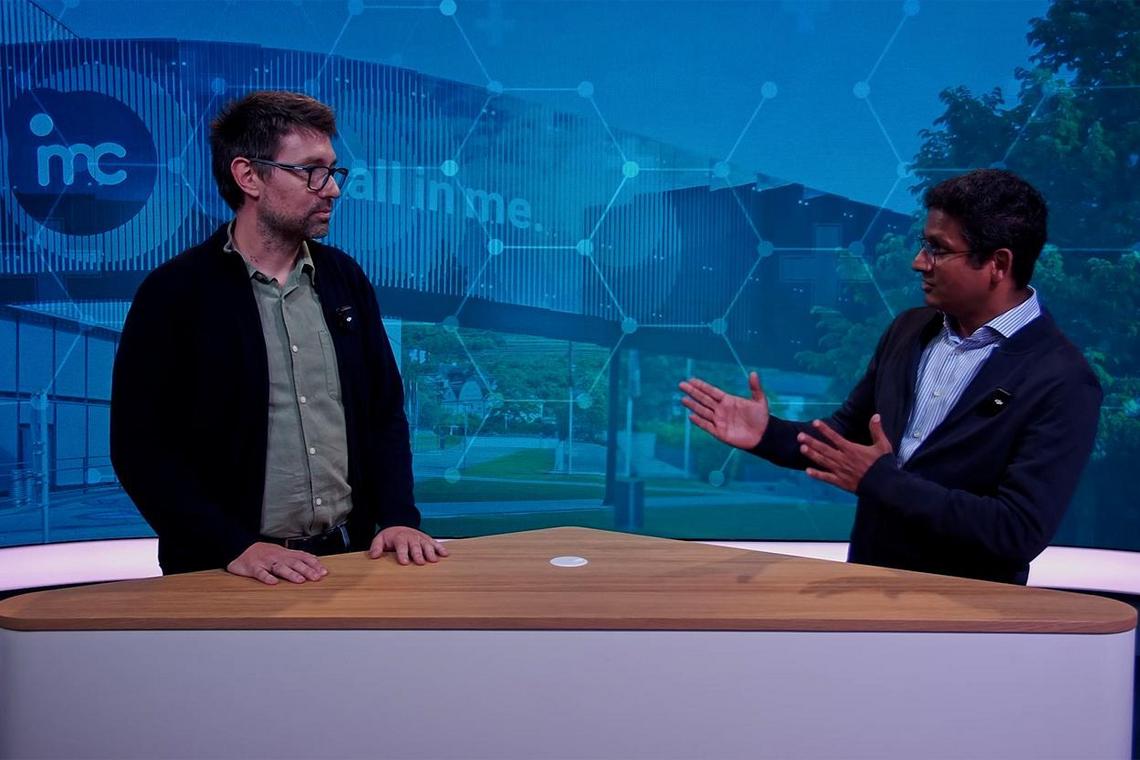
The IMC Krems University of Applied Sciences is addressing these developments through future-oriented degree programmes such as the English-taught bachelor degree programme Informatics and the part-time master degree programme Engineering Responsible AI Systems. These programmes focus not only on the development of powerful AI applications, but also on areas such as AI ethics, explainable AI, data privacy, fairness, sustainability, and the requirements of the European AI Act.
"The current debate shows that society does not simply need more AI. We need people who can understand, develop and critically evaluate AI systems. This is exactly what we prepare our students for on our Informatics programmes. Technical excellence must always go hand in hand with responsibility," says Deepak Dhungana, Head of Institute for Digitalisation and Informatics at IMC Krems.
The part-time master degree programme Engineering Responsible AI Systems combines computer science, sustainability and ethics. Students learn how to develop AI systems while also assessing their technical, societal and regulatory implications. Key areas include explainable AI, trustworthy AI, sustainable AI systems, and compliance requirements within the European regulatory framework.
"One of the key questions in the current debate is how society can manage the risks associated with AI. Our answer is education. In the future, organisations will need experts who can combine technical excellence and innovation with transparency, fairness and social responsibility. These are exactly the competencies we develop in the Engineering Responsible AI Systems master degree programme," emphasises Rubén Ruiz Torrubiano, Programme Director of Engineering Responsible AI Systems at IMC Krems.
Through its practical and international approach, IMC Krems is making an important contribution to educating the professionals who will actively shape the responsible use of artificial intelligence in business and society.