
Press

How Much Is Too Much? When Tourism Reaches Its Limits

Alice Wanner on the limits of tourism and pathways towards sustainable regional development.

On 27 September, World Tourism Day puts the importance of tourism worldwide in the spotlight. At the same time, the sector faces a key question for the future: How can tourism be shaped in a way that ensures economic success while protecting quality of life, nature and regional resources?

How this balance can be achieved was also the subject of the ORF programme “Ein Ort am Wort” in Dürnstein on 24 September. Under the title “How Much Is Too Much? A Debate on Tourist Flows”, experts discussed the capacity limits of highly visited destinations. Among them was Alice Wanner, Professor of Tourism Management at IMC Krems and an expert in sustainable and regenerative tourism planning.
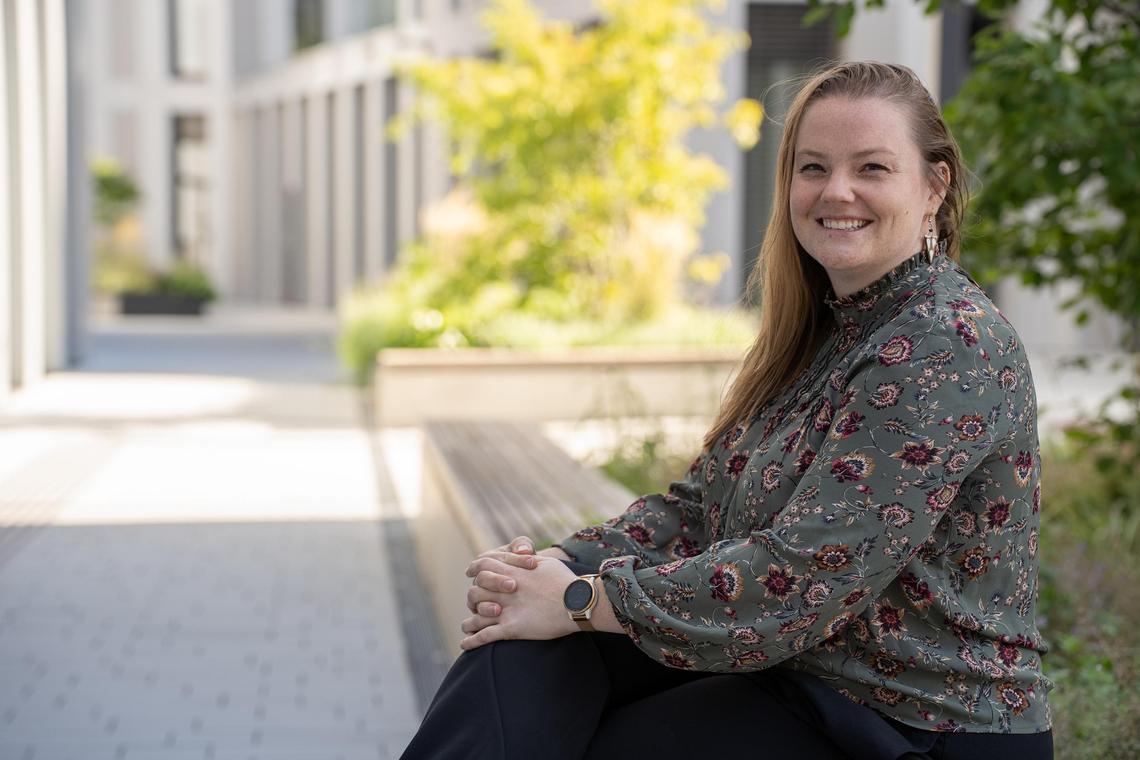
 

Alice Wanner, Professor of Tourism Management at IMC Krems, researches sustainable and regenerative tourism planning and explores how destinations can be developed to remain resilient and fit for the future.

Overtourism Has No Fixed Threshold

From a scientific perspective, “How much is too much?” cannot be answered with a single figure. “There is no universal indicator that defines overtourism,” explains Wanner. What matters is when a destination reaches its capacity limits. Two perspectives are central: To what extent is the quality of life of local residents affected – and how much does the visitor experience suffer? In sensitive natural areas, tourism carrying capacity is another factor: How many people can a place accommodate without significantly affecting nature, culture or the quality of the experience?
The specific threshold varies from destination to destination. Visitor flows can be measured and, to some extent, predicted – but their impact is often only recognised once capacity has already been exceeded. “The key is to have the courage to recognise these limits before they are crossed,” says Wanner. Destinations need to act earlier and more strategically.

Dürnstein has already introduced measures to distribute visitor flows across different locations and times, including reducing the number of cruise ship landings. These are important steps. However, it is crucial to ensure that simply redirecting visitors does not merely shift the pressure to another location.

Managing Visitor Flows Rather Than Simply Reacting

There are various ways of managing visitor flows – from visitor caps and pricing models to more subtle approaches such as nudging. The aim is to design the environment in a way that naturally encourages visitors to follow preferred routes or behaviours. Alternative routes, clear and intelligent signage, or real-time information on visitor numbers can help reduce pressure on hotspots and peak periods.

In the long term, however, Wanner believes a change in awareness is also needed. The most famous destination does not always have to be the one people choose. “There are often attractive alternatives nearby that can make people just as happy as their original destination,” says Wanner.
This also raises the question of how tourism success should be defined in the future. Attracting as many visitors as possible should not be the sole objective. Instead, greater attention should be paid to tourism’s contribution to the region, the quality of life of local residents, and the preservation of nature and cultural heritage.

From Sustainable to Regenerative Tourism

The effects of high visitor numbers can become particularly noticeable in rural areas. For Wanner, the key is to recognise limits at an early stage and act proactively. “Being able to say clearly: Enough! This is where we stop before it goes too far.” This is not about being anti-tourism, she stresses, but about being “pro-strategy and pro-population”.
The concept of regenerative tourism takes this idea a step further. Wanner is also exploring this approach in her upcoming ROOTED research project. While sustainable tourism primarily seeks to reduce negative impacts, regenerative tourism development goes one step further: “Tourism should actively contribute to making regions more resilient and richer in terms of quality of life in the long term.”

This can mean strengthening local crafts, preserving regional cultures or using tourism initiatives to support the protection and restoration of valuable natural areas. At its best, tourism can make regions more resilient while strengthening their identity.

Climate change is also altering the framework in which destinations operate. Heat, drought, low water levels and declining snow reliability are forcing regions to consider which tourism offers will remain viable and appropriate in the future. For Wanner, this calls for new, year-round perspectives that are aligned with the actual opportunities and characteristics of each region.

IMC Krems Researching the Tourism of Tomorrow

For the Institute of Tourism and Marketing at IMC Krems, key questions shaping the future of tourism – from sustainability and climate change to the challenges posed by high visitor numbers in popular destinations – have long been central to teaching and applied research.
“Together with destinations, public institutions and industry partners, we work on current issues that have a major impact on the development of tourism,” says Claudia Bauer-Krösbacher, Head of the Institute of Tourism and Marketing. Key areas include the impact of climate change on attractions and destinations, sustainable tourism product development, and balancing economic success with the quality of life of local communities and environmental sustainability. Culinary tourism, the circular economy, food waste management and sustainable event management are also part of the Institute’s research and teaching activities.
“Our aim is to educate people who not only understand change, but actively help shape it and provide new impetus for responsible tourism.”

Tourism with a Positive Impact

What particularly fascinates Wanner about tourism research is people’s curiosity and their desire to discover new places and gain new experiences. She also sees this as tourism’s positive potential. Her research explores how these encounters can be shaped with respect for local people, regions and their resources.
“Tourism brings out the best in us when we open ourselves up to new situations. But it can also bring out our worst behaviour when we believe we are anonymous and unobserved.” Her research therefore focuses on fostering the positive potential of visitors while keeping the destination, the region and, above all, local residents firmly in view.
Her aim is to understand tourism not simply as a visit to a place, but as an opportunity to strengthen regions in the long term while preserving their quality of life and distinctive characteristics.

About Alice Wanner

Alice Wanner has been Professor of Tourism Management at IMC Krems since July 2026, having joined the institution as a Senior Lecturer in May 2025. Her research focuses on sustainable and regenerative tourism planning and destination development from a regional development perspective. She studied spatial planning at the University of Vienna and completed her PhD in landscape planning at BOKU University.
At IMC Krems, Wanner is involved in projects including WeNaTour and CAST Mozambique. In December 2026, a further research project, ROOTED, will begin. Together with Ötscher-Tormäuer Nature Park and Mostviertel Tourism, the project will develop regenerative tourism products. Her vision is to make tourism a driver of regional resilience and contribute to a sustainable future.
Tourism and Leisure Management